
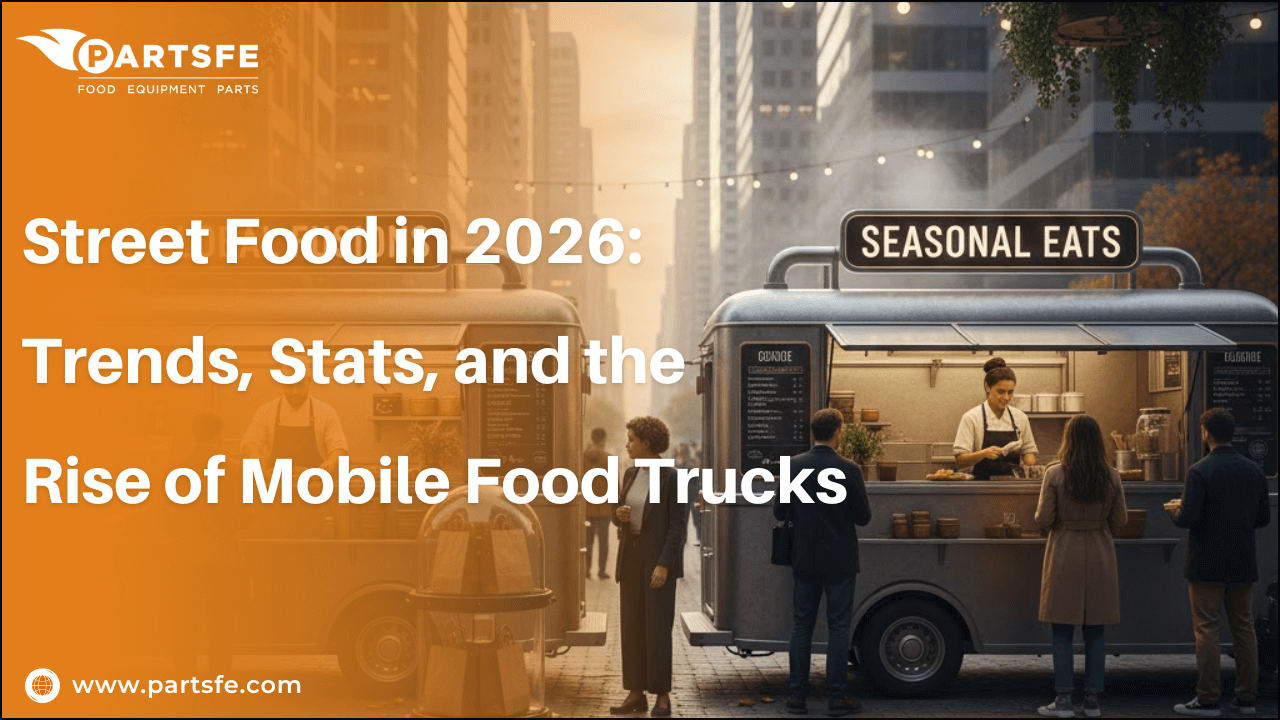
In 2026, food truck culture has grown into one of the most dynamic and influential trends in the global food industry. What started as simple mobile vending has evolved into a creative, entrepreneurial, and cultural movement. From Los Angeles to New York, London to Sydney, food trucks are redefining how people eat, socialize, and experience food.
Food trucks combine convenience, innovation, and flavor, making street food more accessible and exciting than ever.
What Is Food Truck Culture?
Food truck culture refers to the phenomenon of preparing and selling meals from mobile vehicles, often in urban areas, festivals, or street markets. In 2026, food trucks are more than just mobile kitchens—they are platforms for culinary creativity, cultural expression, and business innovation.
Food trucks allow chefs to test recipes, experiment with fusion dishes, and reach diverse audiences without the overhead costs of a traditional restaurant.
The Rise of Food Trucks in the USA and Worldwide
The rise of food trucks began as a niche movement but has expanded globally in 2026. In the United States, cities like Los Angeles, Austin, New York, and Chicago host vibrant food truck scenes. Festivals, weekly markets, and corporate events increasingly rely on food trucks to provide fresh, high-quality meals.
Globally, cities like London, Berlin, Sydney, and Tokyo have embraced food trucks as part of urban culture. Mobile kitchens bring global flavors to local streets, creating a multicultural culinary landscape.
Popular Food Truck Offerings
Food trucks serve a wide variety of foods, often reflecting local tastes, seasonal ingredients, and global culinary trends. Some popular options in 2026 include:
-
Gourmet Burgers and Sliders: Creative toppings and artisanal ingredients.
-
Fusion Tacos and Wraps: Combining flavors from Korea, Mexico, India, and more.
-
Plant-Based and Vegan Options: Jackfruit tacos, tofu bowls, and dairy-free desserts.
-
Barbecue and Smoked Meats: Regional specialties like brisket, pulled pork, and ribs.
-
Ethnic Street Foods: Pho, ramen, dumplings, falafel, and more.
Food trucks often specialize in one or two signature dishes, ensuring quality, consistency, and authenticity.
Why Food Truck Culture Is Popular in 2026
Food trucks appeal to modern food lovers for several reasons:
✅ Convenience: Mobile kitchens bring food to where people are.
✅ Affordability: High-quality meals without restaurant prices.
✅ Creativity: Chefs experiment with flavors, fusion, and presentation.
✅ Social Experience: Street gatherings and food truck festivals foster community.
✅ Authenticity: Many trucks focus on traditional recipes or global street food.
The combination of taste, accessibility, and experience makes food trucks a central part of modern street food culture.
Fusion and Innovation in Food Truck Menus
In 2026, food trucks are at the forefront of culinary innovation. Fusion dishes are increasingly popular, blending flavors from different countries and cultures. Examples include:
-
Korean-Mexican tacos with kimchi and grilled beef
-
Indian-inspired wraps with curry-spiced vegetables
-
Japanese ramen burgers
This experimentation attracts adventurous foodies and encourages cultural exchange through food.
Social Media and Food Truck Culture
Social media continues to shape food truck culture worldwide. TikTok, Instagram, and YouTube allow vendors to showcase dishes, interact with customers, and gain viral exposure.
Viral content of food trucks often includes:
-
Live cooking demonstrations
-
Colorful and visually appealing dishes
-
Unique and creative food concepts
This digital exposure helps food trucks reach global audiences, even those who have never visited their city.
Food Trucks as Entrepreneurial Opportunities
For chefs and small business owners, food trucks offer a low-cost, flexible way to enter the food industry. Many successful restaurants in 2026 started as food trucks. Mobile kitchens allow chefs to test menus, adapt to customer preferences, and scale their business gradually.
Food trucks also create employment opportunities and support local suppliers by sourcing ingredients regionally.
The Future of Food Truck Culture
Looking ahead, food truck culture in 2026 and beyond is expected to grow with these trends:
-
Sustainability: Eco-friendly packaging, local sourcing, and zero-waste initiatives.
-
Tech Integration: Mobile ordering, contactless payments, and GPS-based location tracking.
-
Global Fusion: Continuing to blend international flavors to attract diverse audiences.
-
Event-Based Expansion: Partnerships with festivals, corporate events, and urban pop-ups.
Food trucks will continue to shape urban food culture, connecting communities and creating memorable dining experiences.
Final Thoughts
Food truck culture in 2026 is more than mobile food—it is innovation, tradition, and community on wheels. From street corners in the USA to food festivals across Europe and Asia, food trucks provide accessible, authentic, and creative culinary experiences.
As this movement grows, one thing is clear: food trucks are not just food—they are a cultural and entrepreneurial revolution in street dining.