
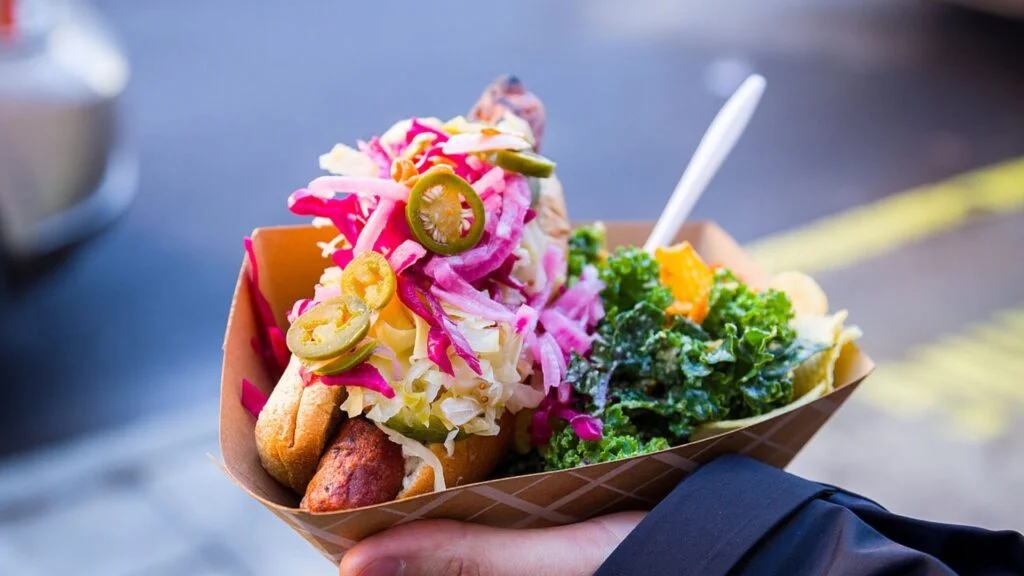
In 2026, traditional street food continues to hold a special place in the hearts of food lovers worldwide. While modern and fusion dishes gain popularity, travelers and locals alike are seeking authentic flavors, time-honored recipes, and cultural heritage through street food. From the bustling lanes of Mumbai to the historic streets of Istanbul, traditional street food remains a vital part of urban life and global culinary tourism.
Traditional street food is not just about eating—it is a way to experience history, culture, and community.
What Is Traditional Street Food?
Traditional street food refers to ready-to-eat dishes prepared using recipes and methods passed down through generations. These dishes often reflect the cultural identity, local ingredients, and culinary history of a region.
Unlike modern street food, which focuses on fusion, innovation, or visual appeal, traditional street food emphasizes authentic taste, simplicity, and heritage.
Key characteristics include:
-
Use of local, seasonal ingredients
-
Time-honored cooking techniques
-
Recipes often handed down through families
-
Strong connection to cultural and regional identity
Global Examples of Traditional Street Food
Around the world, traditional street food continues to thrive in 2026:
-
Vada Pav – India: A spicy potato filling sandwiched in a bun, often called the “Indian burger.”
-
Tacos – Mexico: Soft corn tortillas filled with slow-cooked meats, salsas, and fresh herbs.
-
Bánh Mì – Vietnam: French-influenced baguettes with pork, pate, vegetables, and herbs.
-
Simit – Turkey: Circular sesame-coated bread sold from street carts.
-
Falafel – Middle East: Chickpea fritters served in pita with tahini and fresh vegetables.
-
Takoyaki – Japan: Octopus-filled batter balls cooked on special griddles.
These dishes not only satisfy hunger but also tell a story about the history and traditions of their regions.
Why Traditional Street Food Matters in 2026
Traditional street food remains popular because it offers more than just flavor:
✅ Authenticity: Preserves the original taste and heritage of a dish.
✅ Cultural Connection: Allows locals and tourists to experience regional traditions.
✅ Affordability: Provides high-quality meals at lower costs than restaurants.
✅ Social Experience: Encourages communal eating and interaction with vendors.
In 2026, as modern and fusion foods grow in popularity, traditional street food offers a grounded, authentic alternative that connects people to their roots.
Traditional Street Food Markets and Destinations
Some cities are famous for preserving traditional street food culture:
-
Mumbai, India: Vada pav, pav bhaji, and spicy chaat in bustling streets.
-
Istanbul, Turkey: Simit, Turkish kebabs, and baklava from local vendors.
-
Hanoi, Vietnam: Pho, bun cha, and banh mi prepared using generations-old recipes.
-
Mexico City, Mexico: Tacos, tamales, and quesadillas prepared in traditional ways.
-
Beirut, Lebanon: Shawarma, falafel, and manakish served from roadside stalls.
Visiting these markets allows travelers to immerse themselves in authentic culinary traditions.
Traditional Street Food and Social Media
In 2026, social media has become an important tool for promoting traditional street food. Instagram, TikTok, and YouTube feature street vendors, cooking techniques, and markets, helping preserve cultural heritage and introduce it to global audiences.
Visual storytelling allows people to:
-
Discover hidden street food gems
-
Learn about cooking methods and ingredients
-
Appreciate the cultural significance of each dish
Social media ensures that traditional recipes continue to thrive even in a digital age dominated by fusion and fast food trends.
Challenges and Preservation
Despite its popularity, traditional street food faces challenges in 2026:
-
Urbanization and space constraints
-
Competition from modern food trucks and fusion cuisines
-
Maintaining authenticity while meeting health regulations
However, initiatives like street food festivals, culinary tours, and social media promotion are helping preserve these culinary traditions for future generations.
The Future of Traditional Street Food
Looking ahead, traditional street food in 2026 is expected to evolve while maintaining its heritage:
-
Increased emphasis on authentic experiences for tourists
-
Fusion of heritage recipes with modern techniques without compromising taste
-
Greater focus on sustainable practices in sourcing and packaging
-
Promotion through digital platforms to reach a wider audience
Traditional street food will remain a vital part of urban culture, connecting people, places, and history through food.
Final Thoughts
Traditional street food in 2026 proves that heritage and flavor go hand in hand. From local stalls in Asia and the Middle East to historic markets in Europe and Latin America, these dishes are a testament to the rich culinary history of each region.
Traditional street food is more than just a meal—it is a cultural experience, a journey through history, and a taste of authenticity. For locals and travelers alike, it offers a chance to connect with the roots of food and community.