
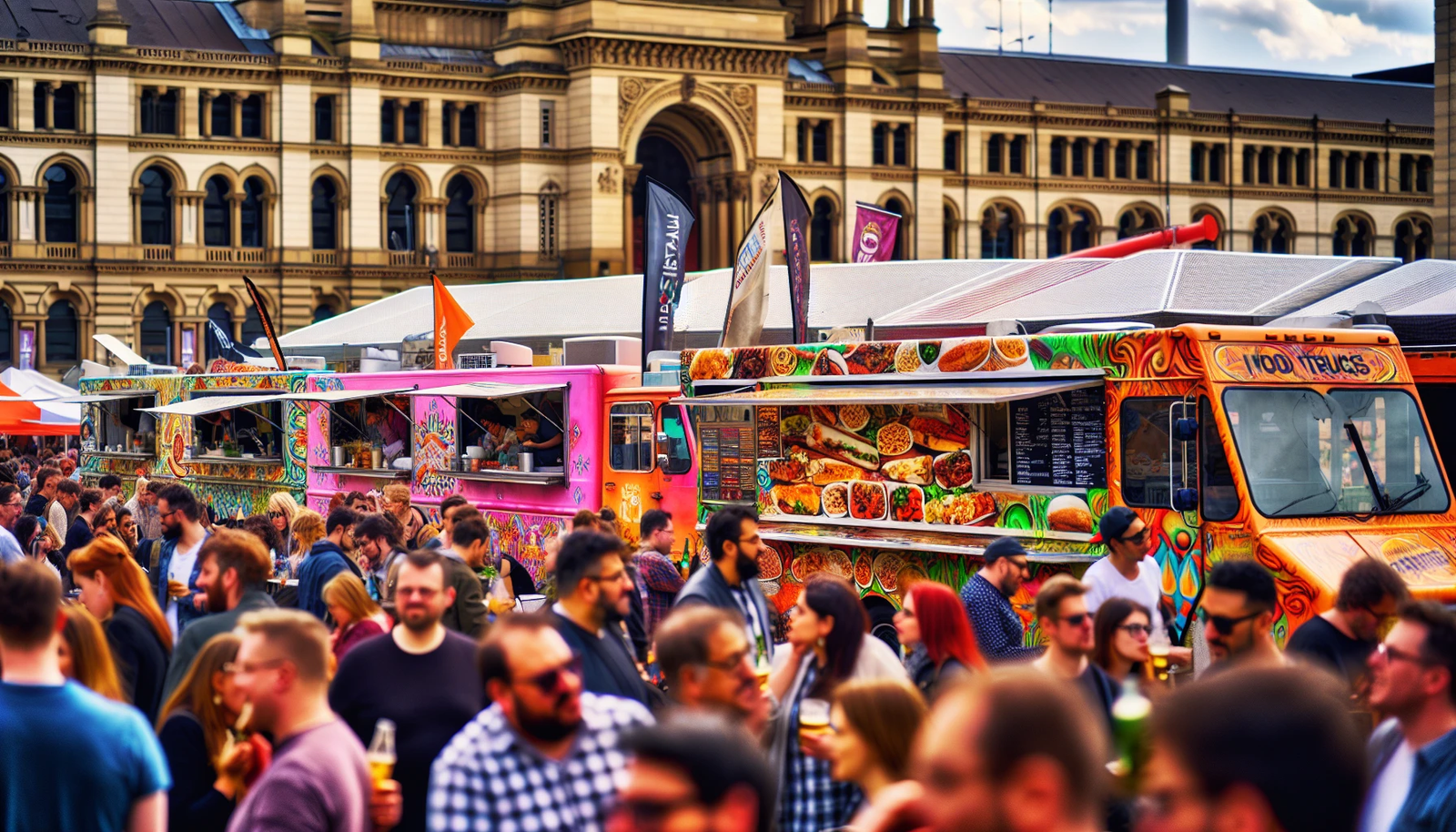
In 2026, urban street food has become a defining feature of city life worldwide. From bustling streets in New York City to colorful night markets in Bangkok, urban street food combines authentic flavors, convenience, and cultural expression. It reflects the fast-paced lifestyle of modern cities while preserving traditional recipes and embracing innovative culinary trends.
Urban street food is more than just quick meals—it is a social, cultural, and entrepreneurial phenomenon that connects locals, tourists, and food enthusiasts alike.
What Is Urban Street Food?
Urban street food refers to ready-to-eat dishes sold on the streets of cities, often from carts, food trucks, or pop-up stalls. Unlike traditional rural street food, urban street food thrives in dense, fast-paced metropolitan environments.
Key features include:
Quick preparation and service: Perfect for city dwellers on the go
Fusion and innovation: Combining traditional recipes with modern culinary techniques
Accessibility: Affordable meals available in highly trafficked areas
Cultural reflection: Dishes often represent the city’s heritage, diversity, and contemporary trends
Urban street food transforms city streets into dynamic culinary hubs, making eating an integral part of urban life.
Popular Urban Street Food Destinations in 2026
Several cities have emerged as top urban street food destinations:
New York City, USA
Food trucks and pop-up stalls offer fusion cuisine: Korean-Mexican tacos, gourmet sliders, and artisanal hot dogs.
Neighborhood food markets highlight international flavors.
Bangkok, Thailand
Night markets and street vendors serve Pad Thai, Som Tum, grilled seafood, and mango sticky rice.
Streets are alive with affordable and authentic meals.
Seoul, South Korea
Urban streets feature Tteokbokki, Korean fried chicken, hotteok, and gimbap.
Food stalls blend modern trends with traditional flavors, appealing to young city dwellers.
Mexico City, Mexico
Street vendors serve tacos, quesadillas, tamales, and elote.
Markets are cultural hubs where urban residents and tourists interact.
London, UK
Pop-up stalls, food markets, and food trucks provide global flavors in one urban location.
London’s urban street food reflects the city’s cultural diversity and innovation.
These cities demonstrate how urban street food can combine heritage with modern urban living.
Trends in Urban Street Food 2026
In 2026, urban street food is evolving to meet the demands of modern city life. Key trends include:
Fusion Cuisine: Urban vendors experiment with cross-cultural recipes.
Plant-Based Options: Vegan and health-conscious dishes gain popularity.
Sustainable Practices: Eco-friendly packaging and locally sourced ingredients.
Tech Integration: Mobile ordering, digital payments, and GPS tracking for food trucks.
Social Media Influence: Instagram, TikTok, and YouTube showcase urban street food culture, attracting global attention.
These trends make urban street food more innovative, sustainable, and engaging for both locals and tourists.
Popular Urban Street Food Dishes
Urban street food offers a mix of traditional and modern dishes, including:
Tacos – Mexico: Soft corn tortillas with savory fillings and fresh toppings
Bánh Mì – Vietnam: French-inspired sandwiches with local flavors
Samosas – India: Spiced pastries sold in busy city streets
Falafel Wraps – Middle East: Chickpea patties with tahini and fresh vegetables
Pad Thai – Thailand: Stir-fried noodles with peanuts, lime, and protein options
Gourmet Burgers & Sliders – USA: Creative toppings and artisanal ingredients
These dishes reflect the cultural diversity and creativity of urban street food vendors.
Street Food and Urban Communities
Urban street food is more than just meals—it builds community and connects people. City streets, food trucks, and markets act as social spaces where:
Residents interact with vendors
Tourists explore local culture
Entrepreneurs showcase culinary creativity
Communities celebrate festivals and cultural events
Urban street food fosters social cohesion, cultural exchange, and economic opportunities for small businesses.
The Role of Social Media in Urban Street Food
Social media is a critical tool for promoting urban street food in 2026. Platforms like TikTok, Instagram, and YouTube allow vendors and food enthusiasts to:
Showcase street food trends
Highlight market tours and unique dishes
Promote new stalls, trucks, and pop-up events
Viral content often transforms local vendors into international sensations, driving tourism and global awareness of urban culinary culture.
The Future of Urban Street Food
Looking forward, urban street food in 2026 and beyond is expected to grow and evolve in the following ways:
Expansion of fusion cuisine and global flavors
Increased focus on plant-based and sustainable options
Integration of technology for convenience and efficiency
More interactive experiences such as cooking workshops and guided tours
Recognition as cultural and economic drivers in cities worldwide
Urban street food will continue to be a core part of metropolitan life, blending culture, innovation, and flavor.
Final Thoughts
Urban street food in 2026 represents the pulse of modern cities. It is where tradition meets innovation, flavor meets convenience, and culture meets community.
From night markets in Bangkok to food trucks in New York City, urban street food offers authentic, affordable, and exciting culinary experiences. For city dwellers, travelers, and food enthusiasts, exploring urban street food is not just about eating—it is about living the city, one bite at a time.
Urban street food is a movement that connects people, preserves culture, and celebrates creativity in the heart of modern cities.